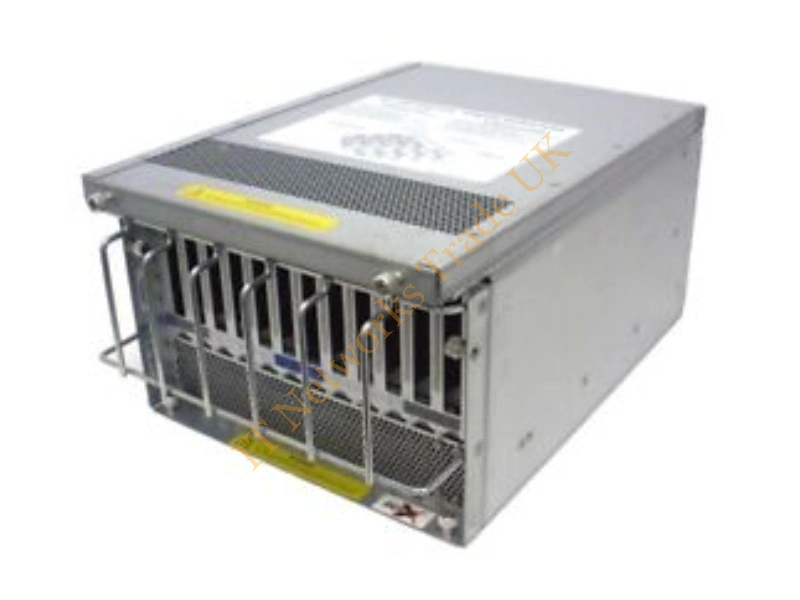
Server Chassis

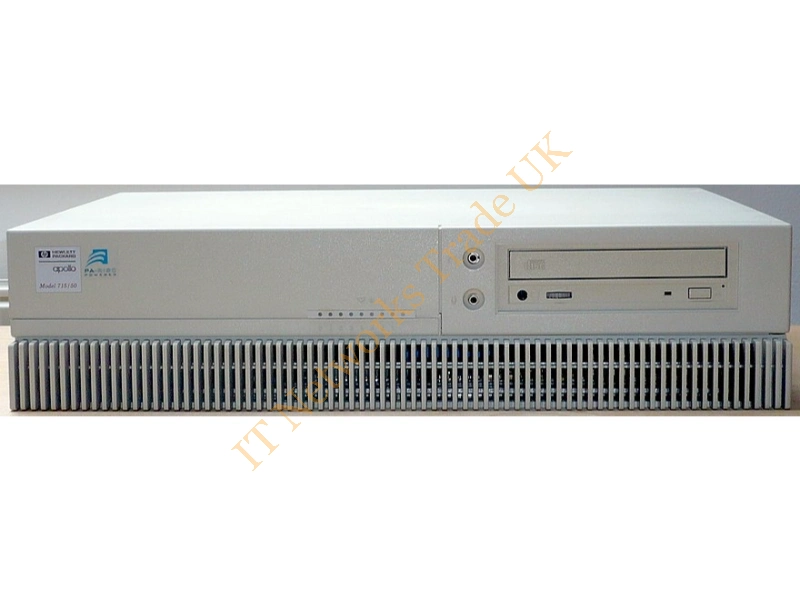
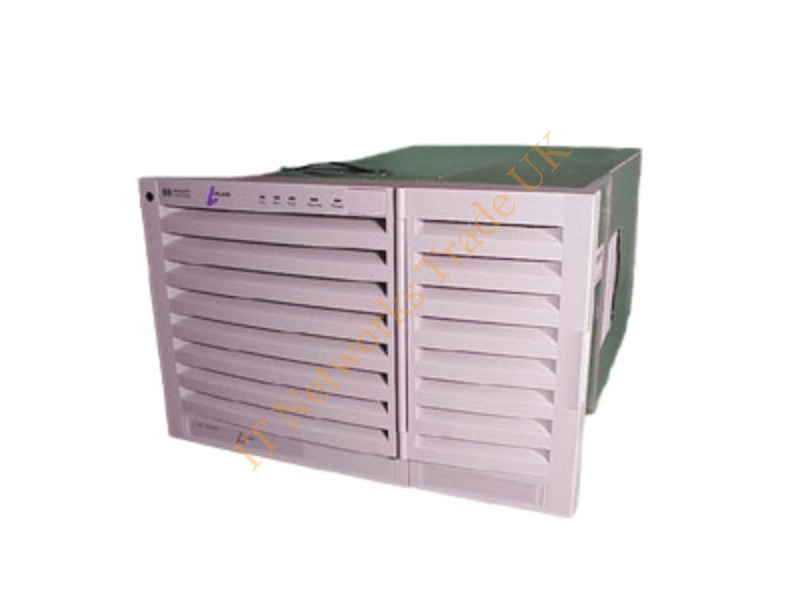
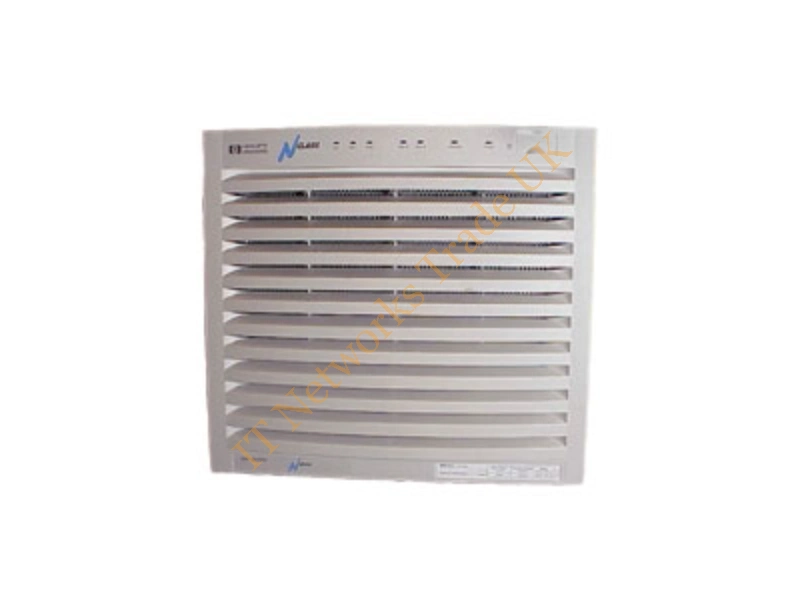
A3639A HP 9000 N4000 A Chassis Server Server Chassis

£1,607.05 Inc. VAT
£1,339.21 Excl. VAT
(0 Reviews)

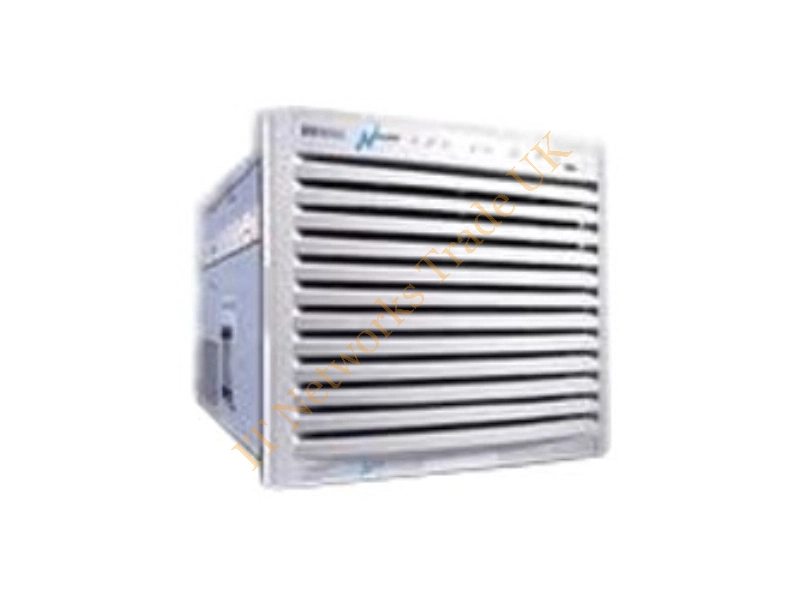
A3639B HP 9000 N4000 B Server Chassis

£746.42 Inc. VAT
£622.02 Excl. VAT
(0 Reviews)

A3639C HP 9000 N4000 C Server Chassis

£2,247.80 Inc. VAT
£1,873.17 Excl. VAT
(0 Reviews)

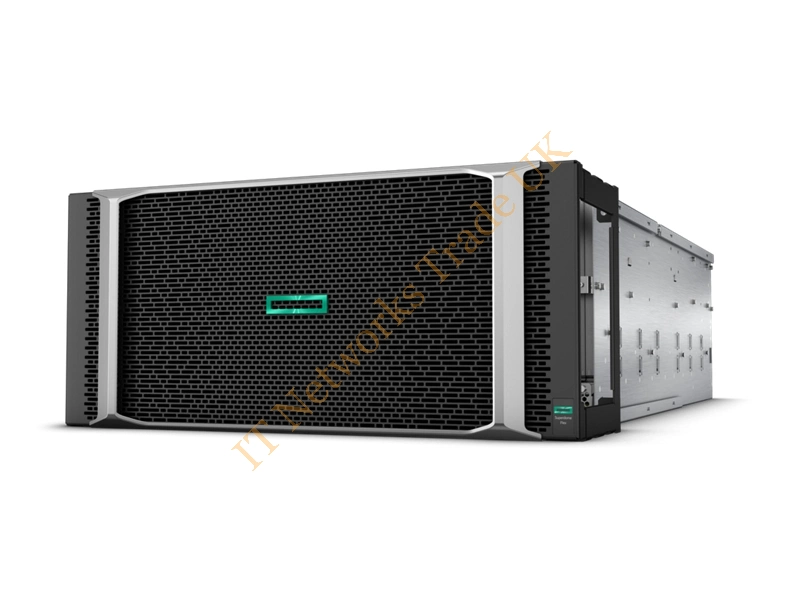
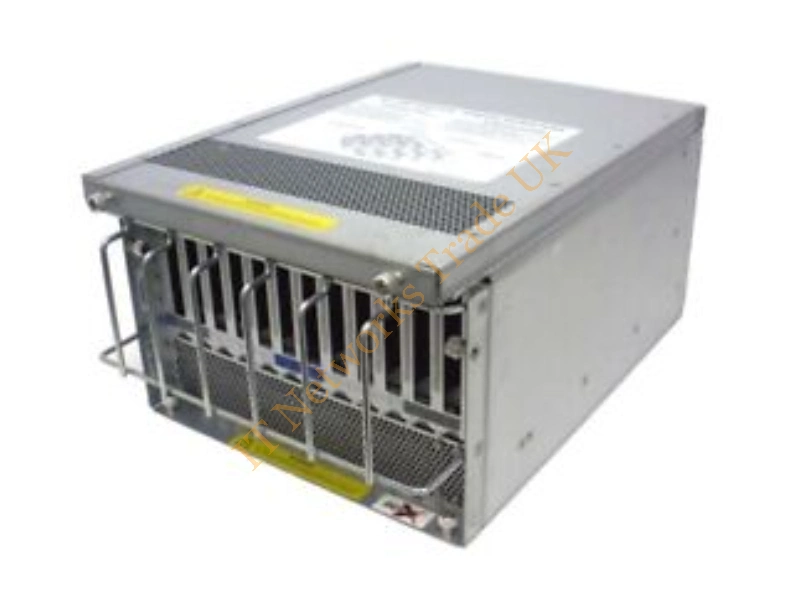
A4856A HP 12-Slot PCI I/O Chassis for Superdome Server Chassis

£621.96 Inc. VAT
£518.30 Excl. VAT
(0 Reviews)

A5191A HP 9000 L-Class L2000 Server Chassis

£539.84 Inc. VAT
£449.87 Excl. VAT
(0 Reviews)

A5570-62019 HP 9000 A400 Chassis Server Chassis

£772.26 Inc. VAT
£643.55 Excl. VAT
(0 Reviews)

A5576B HP 9000 L1000 CTO Chassis Server Chassis

£720.59 Inc. VAT
£600.49 Excl. VAT
(0 Reviews)

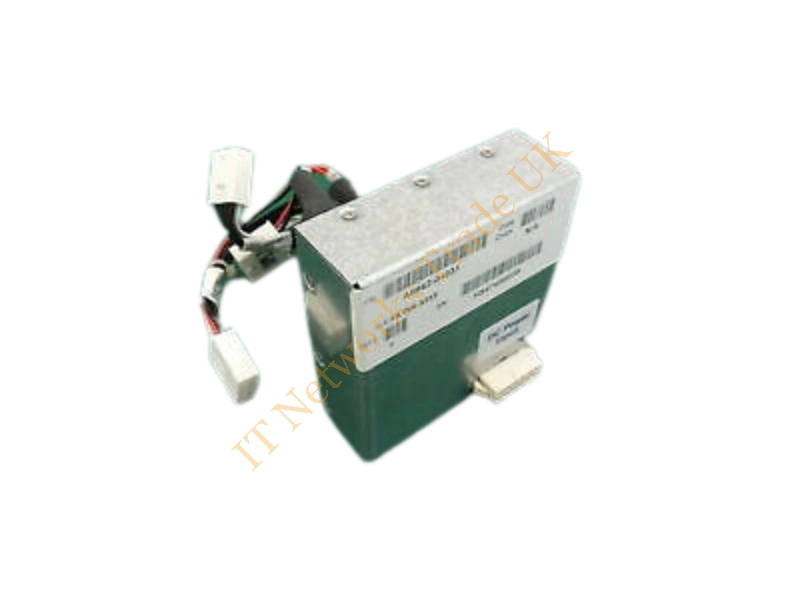
A5861-62023 HP Expansion Chassis With Board for 9000 Superdome Server Chassis

£1,930.01 Inc. VAT
£1,608.34 Excl. VAT
(0 Reviews)

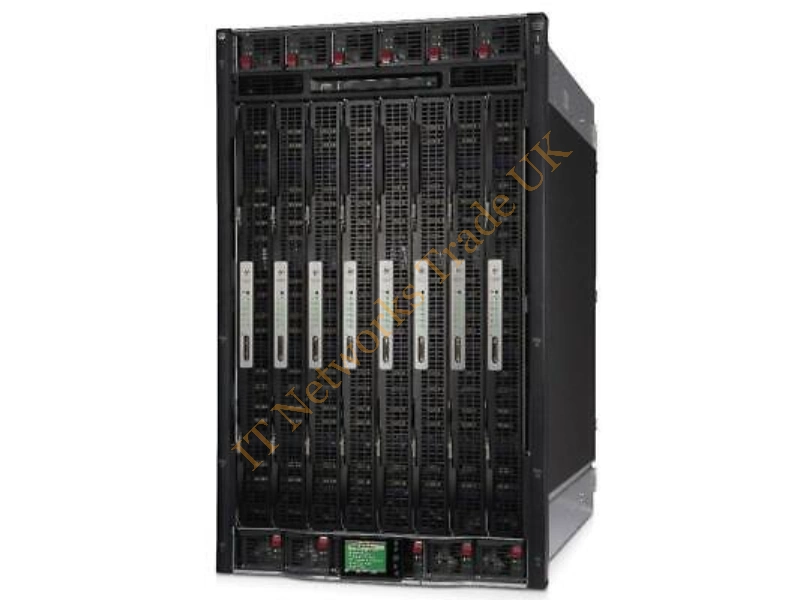
A5862-04019 HP I/O Chassis Enclosure Filter for Superdome Server Chassis

£411.60 Inc. VAT
£343.00 Excl. VAT
(0 Reviews)

A5862A HP I/O Chassis Enclosure for 9000 Superdome Server Chassis

£2,570.75 Inc. VAT
£2,142.29 Excl. VAT
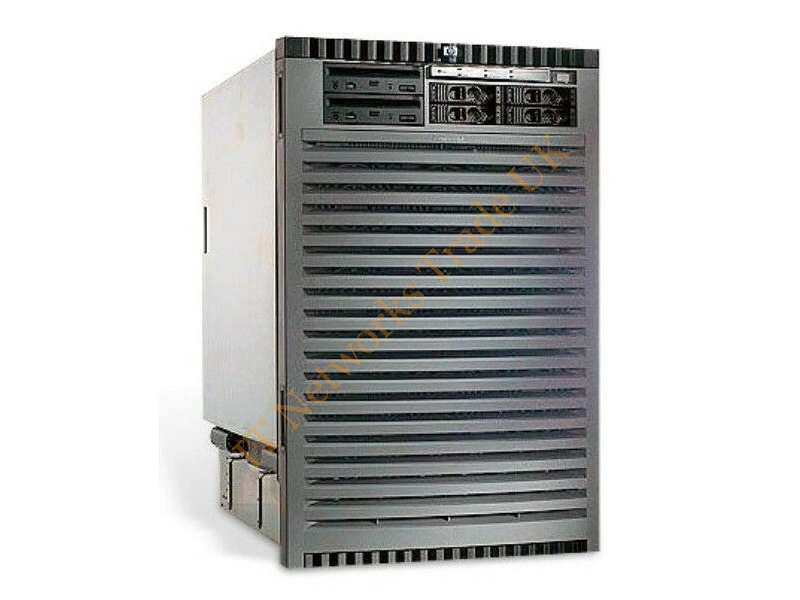
(0 Reviews)

A6695-62001 HP Base Chassis for Integrity rx5670 Server Server Chassis

£970.43 Inc. VAT
£808.69 Excl. VAT
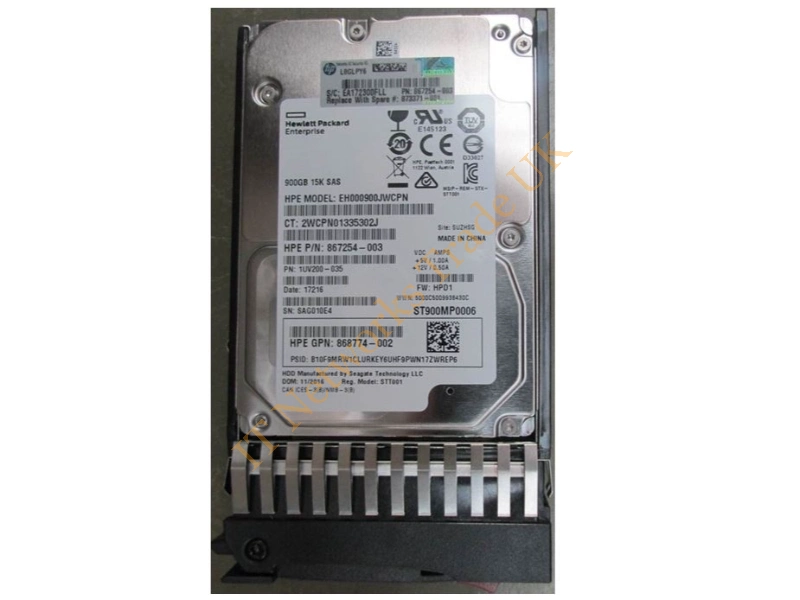
(0 Reviews)

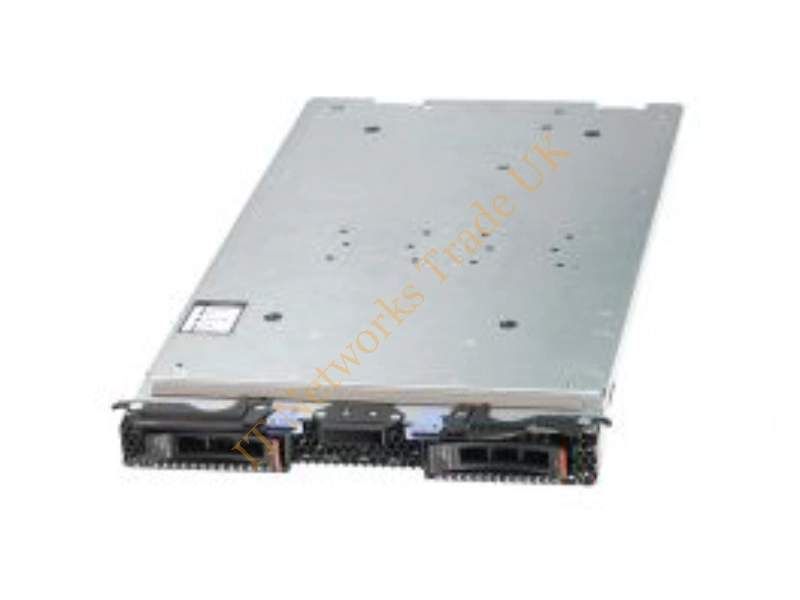
A6711-62001 HP Fiber Channel Disk Carrier for Blade Server Chassis BH3710

£195.32 Inc. VAT
£162.77 Excl. VAT
(0 Reviews)

Server chassis, offered by top-notch brands like ASUS, Dell, HP, Compaq, IBM, Sun, Lenovo, and Cisco, are a crucial category of IT hardware that houses and protects server components while providing the necessary infrastructure for efficient operation and maintenance.
Leading brands in the industry prioritize the design and functionality of server chassis to meet the demanding requirements of server systems. These brands offer a diverse range of server chassis options to cater to various needs, including rack-mount chassis, tower chassis, blade chassis, and modular designs.
Server chassis serve as the framework and housing for server components, including the motherboard, processors, memory modules, storage drives, power supplies, and cooling systems. They provide structural integrity, support, and protection for these components, ensuring their safe and reliable operation.
Brands like ASUS, Dell, HP, Compaq, IBM, Sun, Lenovo, and Cisco ensure the quality and durability of their server chassis. They utilize high-quality materials, robust construction techniques, and stringent manufacturing processes to deliver chassis that can withstand the demands of continuous operation in data centers and server rooms.
Server chassis are designed with considerations for efficient cable management, ease of installation, and maintenance. They feature cable routing options, tool-less drive bays, hot-swappable components, and accessible panels to simplify installation, upgrades, and maintenance tasks.
Different form factors of server chassis cater to various deployment scenarios and space constraints. Rack-mount chassis are designed to be mounted in standard server racks, allowing for efficient space utilization and easy scalability. Tower chassis provide a standalone option for small businesses or individual users, offering flexibility and easy accessibility. Blade chassis offer a compact and high-density solution for blade server systems, optimizing space efficiency in data centers.
Server chassis often include features like hot-swappable drive bays, redundant power supplies, and advanced cooling systems to ensure high availability and system reliability. They are designed to accommodate multiple expansion slots, networking interfaces, and storage options to meet the evolving needs of server systems.
In conclusion, server chassis are a crucial category of IT hardware offered by top-notch brands like ASUS, Dell, HP, Compaq, IBM, Sun, Lenovo, and Cisco. They provide the structural integrity, support, and protection for server components while facilitating efficient installation, maintenance, and scalability. When selecting server chassis, factors such as form factor, cable management capabilities, ease of installation, maintenance features, and brand reputation should be considered to ensure optimal performance and support for server infrastructure.